Trauma & PTSD Therapy in Calgary
Structured trauma therapy to help adults process distressing experiences, reduce anxiety, and regain a sense of safety and stability
Post-traumatic stress disorder (PTSD) can develop after experiencing or witnessing a traumatic event. It may involve ongoing distress, heightened anxiety, and difficulty feeling safe, even after the event has passed.
At Clear Minds Psychology, trauma therapy is structured, evidence-based, and tailored to your individual needs. The goal is to help you process difficult experiences, reduce distress, and regain a greater sense of stability and control.
If you’re considering trauma therapy, a brief 15-minute consultation can help you determine whether this approach feels like the right fit.
What Is Trauma?
Trauma refers to the psychological impact of experiences that overwhelm a person’s ability to cope. This can include single events, such as accidents or assaults, as well as ongoing or repeated experiences over time.
Some common examples include:
- Serious accidents
- Emotional, physical, and sexual abuse
- Complex childhood abuse
- Medical trauma
- Military combat or war exposure
- Natural disasters
- Violence or a sudden loss
Traumatic memories can also stem from:
- Betrayals
- Bereavement
- Bullying
- Neglect or abandonment
- Personal humiliations and major disappointments
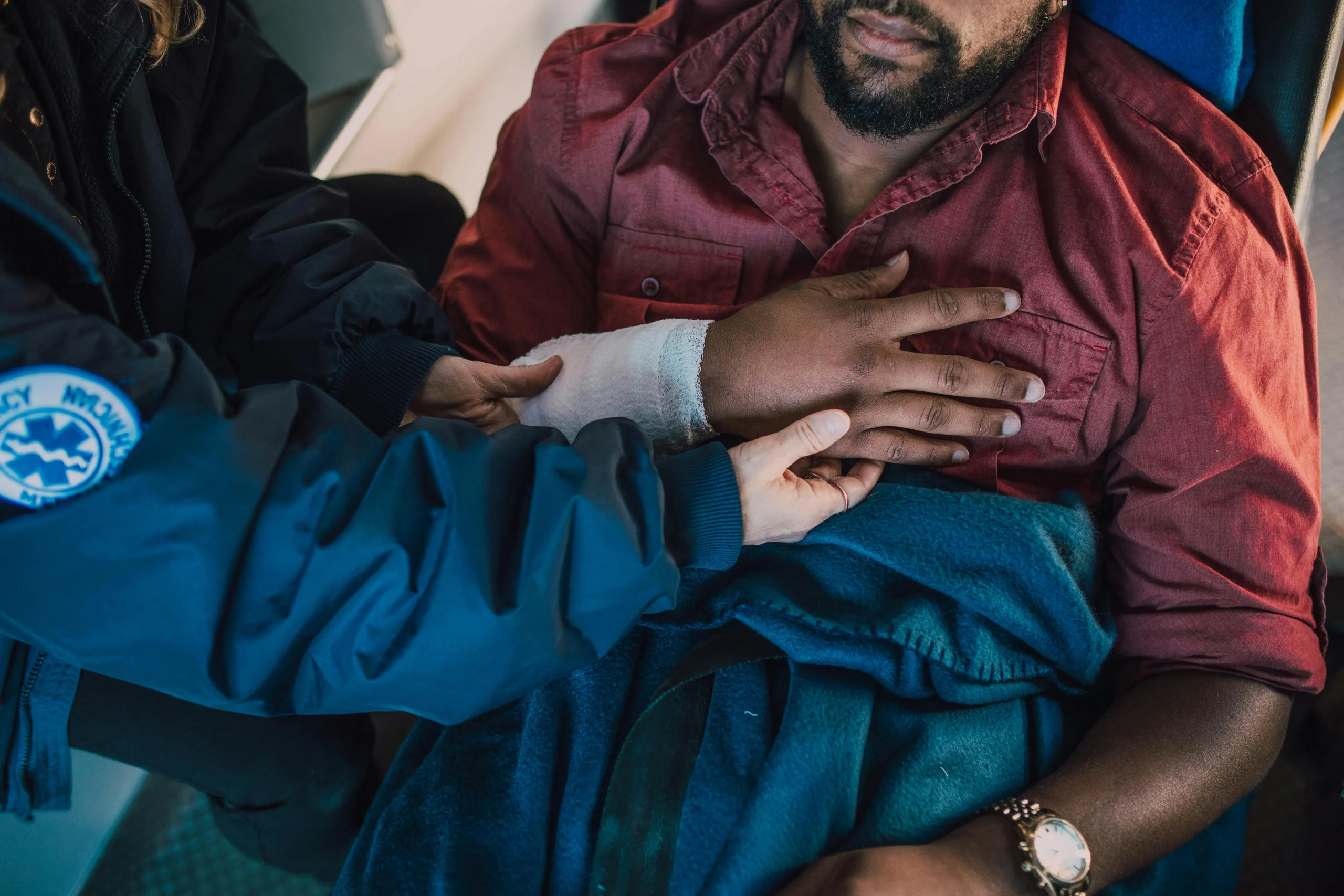
Because everyone responds to trauma differently, some people recover quickly, while others need specialised trauma-focused therapy to heal. Not everyone who experiences trauma develops PTSD. However, when symptoms persist or interfere with daily functioning, therapy can help support recovery.
If you’re unsure whether your experiences may be affecting you in this way, speaking with a psychologist can help clarify your next steps.
Understanding PTSD
PTSD is a specific response to trauma that affects how the brain processes and stores distressing experiences. It can lead to a persistent sense of threat, even in safe environments.
Common symptoms of PTSD include:
- Intrusive memories or flashbacks
- Nightmares or disturbed sleep
- Avoidance of reminders of the event
- Heightened anxiety or being easily startled
- Irritability or difficulty concentrating
- Emotional numbness or feeling disconnected
These responses are not a sign of weakness, they are the nervous system’s attempt to protect you after overwhelming experiences.


Evidence-Based Trauma Therapy in Calgary
Trauma-focused therapy helps process distressing experiences so they no longer trigger the same emotional and physical responses.
At Clear Minds Psychology, I provide structured, evidence-based approaches including Eye Movement Desensitisation and Reprocessing (EMDR) and Accelerated Resolution Therapy (ART), both widely recognised as effective treatments for trauma and PTSD.
In clinical practice, many individuals notice patterns such as avoidance, heightened anxiety, or feeling constantly on edge. With trauma-focused therapy, these responses can gradually reduce as the nervous system processes the experience more effectively.
What to Expect from Trauma Therapy
Trauma therapy is structured, collaborative, and paced according to your comfort level.
Early sessions focus on:
- Understanding your experiences
- Identifying patterns contributing to distress
- Developing strategies to support stability and safety
As therapy progresses, we work toward processing difficult memories in a way that reduces their intensity and impact.
Many clients find that, over time, therapy helps reduce reactivity and supports a greater sense of stability in daily life.
Considering Trauma Therapy?
A brief consultation can help you understand how these approaches apply to your specific situation.
“Trauma is not what happens to us, it’s what happens inside us” — Dr. Gabor Maté
Who I Work With
I provide trauma and PTSD therapy for adults and seniors in Calgary and across Alberta through both in-person and online sessions.
This includes individuals experiencing:
- Single-incident trauma
- Complex or developmental trauma
- Ongoing stress-related difficulties
I work with professionals, caregivers, and individuals navigating life transitions. I do not provide couples or child therapy.
If this sounds like your situation, you’re welcome to reach out to explore whether trauma therapy may be helpful.
Professional Credentials
- Registered Psychologist, Province of Alberta (College of Alberta Psychologists)
- Master’s Degree in Counselling Psychology (MACP), Yorkville University
- Advanced training in EMDR, Exposure and Response Prevention (ERP), and Accelerated Resolution Therapy (ART)
- Member of Psychologists’ Association of Alberta (PAA) and IS-ART
- Contributor, Alberta Senior Living Magazine — Spring Mental Health Check-In: Managing Anxiety, SAD Transitions & Light Exposure
About the Psychologist
Michelle Fox is a Registered Psychologist in Calgary with over 30 years of clinical experience working with adults and seniors. Michelle has specialised training in trauma-focused, evidence-based therapies, including EMDR and Accelerated Resolution Therapy (ART).
She works with individuals experiencing PTSD, complex trauma, and stress-related concerns using structured, evidence-based approaches. Her approach focuses on helping clients process difficult experiences, reduce distress, and regain a sense of safety and control.
Learn more about Michelle Fox, Registered Psychologist in Calgary.
FAQ: Trauma Therapy in Calgary
How long does trauma therapy take?
The length of trauma therapy varies depending on your experiences, goals, and the approach used. Some clients notice meaningful improvements within a relatively short period, particularly with structured therapies such as EMDR or Accelerated Resolution Therapy (ART). Others may benefit from a longer course of therapy to work through more complex or long-standing experiences. Therapy is always tailored to your pace and comfort level.
Is trauma therapy safe?
Yes. Trauma therapy is conducted in a safe, structured, and supportive way. A key part of the process is ensuring you feel stable and prepared before working through difficult experiences. Therapy does not involve being overwhelmed or pushed beyond your limits. Trauma-focused therapies such as ART and EMDR are designed to process memories safely while maintaining emotional stability.
Can trauma therapy be done online?
Yes. Trauma therapy can be effectively delivered through secure online sessions. Approaches such as EMDR, ART, and CBT can be adapted for virtual therapy while maintaining the same structure and effectiveness as in-person sessions. Many clients find online therapy offers added comfort and flexibility.
What happens in trauma therapy?
Trauma therapy begins with understanding your experiences, current challenges, and goals. Early sessions focus on building stability and developing coping strategies. As therapy progresses, we may gently work through aspects of the trauma using evidence-based approaches such as EMDR or ART. The process is collaborative and paced to ensure you feel supported throughout.
Do I need to talk about everything right away?
No. You are not expected to share everything at once. Therapy moves at a pace that feels comfortable for you. In many cases, it is not necessary to go into detailed descriptions of traumatic events for therapy to be effective. The focus is on helping you process experiences safely and reduce their impact over time.
What type of therapy is used for trauma?
Trauma therapy at Clear Minds Psychology is based on evidence-based approaches, including Eye Movement Desensitisation and Reprocessing (EMDR), Accelerated Resolution Therapy (ART), and trauma-focused Cognitive Behavioural Therapy (CBT). These approaches are supported by research and are effective in helping reduce distress, process difficult experiences, and improve emotional regulation.
How do I know if trauma therapy is right for me?
Trauma therapy may be helpful if past experiences continue to affect your mood, stress levels, relationships, or sense of safety. If you find yourself feeling stuck, overwhelmed, or triggered by reminders of the past, therapy can provide structured support. A brief consultation can help you decide whether this approach feels like the right fit for you.
How do I get started with trauma therapy in Calgary?
Getting started is simple. You can book a free 15-minute consultation to discuss your concerns, ask questions, and determine whether trauma therapy feels like the right fit for you.
If you decide to move forward, we will schedule an initial session where we review your history, clarify your goals, and develop a structured plan tailored to your needs. Therapy is always paced in a way that feels manageable and supportive.
Trauma recovery is possible with the right support and evidence-based care.
Book a Free Consultation
If you are considering trauma therapy, a brief consultation can help you determine whether this approach feels like the right fit.
Clear Minds Psychology offers trauma therapy in Calgary and online across Alberta, providing accessible, evidence-based support tailored to your needs.
You can book a free consultation to discuss your concerns and next steps.